

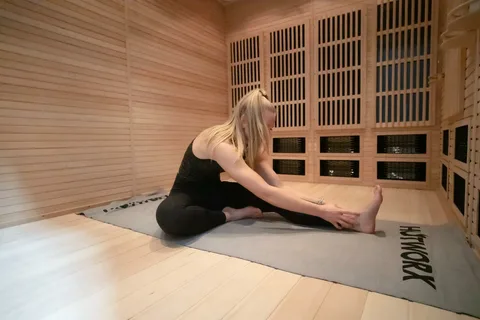
If you’ve walked into a modern gym, you’ve probably seen a small wooden room tucked near the locker area with a sign that says “Sauna.” For many new gym‑goers, that room is a mystery: is it a steam room, a sauna, or just a place to sweat and relax? In short, a sauna in the gym is a heated room designed for heat therapy and post‑workout recovery, and it’s one of the most underrated tools in any fitness center.
A sauna in the gym is typically a small, enclosed room with wooden benches, wooden walls, and a heater that raises the air temperature to roughly 70–100°C (160–212°F), depending on the design. Inside, you sit for a few minutes while your body heats up and sweats, which supports circulation, muscle relaxation, and recovery.
There are usually two main types in gyms:
Both count as sauna‑style heat therapy, and both are placed in the gym intentionally: not as a luxury, but as a recovery and wellness tool.
Fitness centers invest in saunas because they directly support what members care about most: recovery, stress relief, and long‑term health. Think of the typical gym journey:
That’s why so many gyms now advertise “sauna included with membership”; they’re treating the sauna as a recovery extension of the workout floor, not just a feel‑good add‑on. This aligns with the broader understanding of sauna health benefits, such as improved circulation, muscle recovery, and stress reduction, all detailed in the sauna health benefits overview.
When you finish a hard session and move into the gym sauna, several key things happen in the body.
The heat causes your blood vessels to widen (vasodilation), which increases circulation to muscles. This helps:
Deliver oxygen and nutrients to micro‑tears from training.
Reduce muscle stiffness and soreness, often called DOMS (delayed‑onset muscle soreness).
That’s why people often say the sauna in the gym is “where the real workout finishes” — you’re not burning heavy calories, but you’re actively helping your body repair and regenerate, much like the muscle‑recovery benefits described in the sauna for muscle recovery section.
Heat exposure also triggers the release of endorphins and helps calm the nervous system. For someone who’s physically and mentally stressed from a long workday, a short session in the gym sauna can feel like a mental reset button, a bridge between the office and the rest of the evening, similar to the calming effect promoted for relaxation and stress relief in the sauna.
Regular sauna use mimics some of the cardiovascular adaptations of exercise by raising heart rate and improving blood‑vessel function. Over time, frequent use can help:
Many gym chains now market their saunas in part as a cardio‑supportive feature, not just a recovery tool.
People often wonder: Should the sauna in the gym come before or after exercise? The answer depends on your goals.
Using the sauna in the gym before exercising is less common but still useful for certain situations.
However, it’s generally best to keep pre‑workout sauna sessions short so you don’t dehydrate or overheat before lifting or running.
Most gyms expect you to use the sauna in the gym after your workout, and for good reason.
So, the classic routine becomes: workout → quick shower → sauna in the gym → cool‑down shower → rest.
Because a sauna in the gym is a shared space, etiquette and safety matter.
Always take a quick rinse before entering to remove sweat, chlorine, or lotions. This keeps the sauna and benches cleaner and improves your experience.
If you feel dizzy, nauseous, or have a rapid heartbeat, leave immediately and cool down with water and fresh air, following the safety ideas in the How Long to stay in the sauna safe guide.
Sweating in the sauna depletes fluids and electrolytes, so drink water before and after your session, especially following a hard workout.
Some gyms offer both a sauna and a steam room. They’re often placed next to each other but work differently.
| Feature | Sauna in the gym (dry) | Steam room (wet) |
| Humidity | Low humidity, dry heat | Very high humidity, steam |
| Temperature | Higher, around 70–100°C | Slightly lower, but feels very hot |
| Comfort for skin | Can be intense if very dry | Softer, more humid heat |
| Best for | Deep sweating, traditional heat therapy | Sinus relief, opening airways, softer heat experience |
Both are useful for relaxation and recovery; the right choice depends on your preference and how your body responds to heat, similar to the trade‑offs explained in the infrared vs traditional sauna guide.
Most people can safely use a sauna in the gym, but some groups especially benefit.
Individuals with heart conditions, pregnancy, or certain medical issues should consult a doctor before using a sauna, even in a gym setting.
It is generally best to go after your workout. A sauna before training can relax muscles too much and increase the risk of dehydration during your workout. Post-workout sauna serves as a reward and aids in recovery.
Saunas do not burn significant fat. The immediate weight lost is primarily water weight from sweat, which returns once you rehydrate.
Wear a swimsuit, or wrap yourself in a towel. Always sit on a towel. Nudity is usually not permitted in public gym saunas.
Yes, if you are healthy, hydrated, and listen to your body, but beginners should start with 2–3 times per week to build tolerance.
No. Those with cardiovascular diseases, low/high blood pressure, or who are pregnant should consult a doctor first. If you feel dizzy or lightheaded, exit immediately.
In today’s busy world, many people treat the gym as a place to “burn off stress.” Adding a sauna in the gym turns that idea into a more complete cycle: you train hard, then transition into heat‑assisted recovery and relaxation.
Whether you’re an athlete recovering from heavy lifting, a busy professional unwinding after a long day, or someone just starting to explore fitness, the sauna in the gym can be a powerful ally. Used correctly, it supports muscle recovery, mental calm, and long‑term heart health, all while fitting seamlessly into your normal gym routine, much like the long‑term wellness benefits explored in the sauna for anti‑aging and longevity, and live longer with heat articles.
So next time you see that wooden sauna room, don’t just walk past it. Think of it as the final recovery step of your workout, and a quiet, hot space that the gym invested in for your overall wellness.