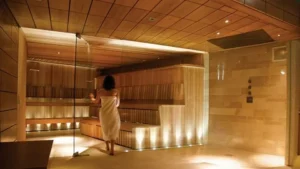


For many homeowners, the dream of a private wellness sanctuary begins with a simple question: “How much is this going to cost me?” While the initial sticker price of an indoor sauna is the most visible expense, savvy buyers know that the “real cost” includes electricity, maintenance, and potential installation fees.
At BestSaunaUSA, we believe in transparency. Whether you are looking for luxury indoor infrared home sauna essentials or a more timeless traditional indoor home sauna, understanding the total cost of ownership is the first step toward a stress-free investment. This guide breaks down the numbers so you can plan your home wellness retreat with confidence.
The upfront cost of a sauna varies wildly based on size, wood quality, and heating technology. In 2026, the market is generally divided into three categories:
These are typically 1-to-2-person infrared units made of Hemlock wood with basic carbon heaters. These models are the most popular way to transform your space with a luxury home sauna without breaking the bank. They are usually “plug-and-play,” meaning no special wiring is required.
This is where most homeowners find the best value. These units feature Grade-A Canadian Red Cedar and advanced low-EMF home wellness technology, similar to the designs highlighted in our article on why you should invest in an indoor infrared sauna. You’ll get better insulation, longer warranties, and more comfortable seating.
If you are looking for luxury traditional indoor home sauna solutions that integrate seamlessly into a master suite or home gym, this is your category. These often feature full-spectrum infrared light, custom glass walls, and high-output heaters designed for those who want the absolute best.
One of the biggest myths is that saunas will skyrocket your electric bill. In reality, modern indoor saunas are incredibly efficient. To understand the cost, you must first decide which sauna is right for you: infrared or traditional.
An infrared sauna works like a microwave for your body; it heats you directly, not the air. A standard 2-person unit uses about 1.75 kWh per hour.
Traditional units require more power to heat stones and the air to high temperatures. A 6kW heater may consume significantly more energy.
Most people don’t realize that many indoor saunas are “DIY-friendly.” However, depending on the model, you may face installation costs.
Infrared Installation: Most are modular panels that snap together in under an hour. If you know how to set up the perfect home sauna experience, you can save $500 in labor.
Electrical Requirements: If your sauna requires a 240V dedicated line (common for 3+ person traditional units), a licensed electrician will charge between $400 and $1,200, depending on the distance from your breaker panel.
A well-maintained sauna can last 20 to 30 years. Maintenance costs are remarkably low, but they do exist.
When calculating the “real cost,” you must factor in the savings on external wellness services. A single session at a boutique sauna studio can cost $45. If you use your home unit twice a week, the sauna pays for itself in less than two years.
Beyond the financial Return on Investment (ROI), consider the health dividends. Fromimproving mental wellness and reducing anxiety to the waysaunas help manage high blood pressure, the long-term health savings, such as fewer doctor visits and reduced medication needs, are immeasurable. Regular use supports longevity and heart health, which are the most valuable returns of all.
| Expense Category | Indoor Infrared | Traditional Indoor |
| Purchase Price | $2,000 – $6,500 | $4,500 – $12,000 |
| Electrical Req. | Standard 120V Outlet | 240V Hardwired |
| Warm-up Time | 15 Mins | 45 Mins |
| Monthly Op-Ex | Low ($5 – $12) | Moderate ($30 – $50) |
| Maintenance | Minimal (Wipe down) | Moderate (Stone care) |
| Main Value | Health & Detox | Timeless Heat Therapy |
For a broader context on where these numbers fit into the modern era of home saunas, this table helps you compare options at a glance.
Yes. In the modern era of home saunas, luxury wellness features are highly sought after. Real estate experts suggest a 100% to 150% return on the cost of the unit when selling a home.
If you have the space, always go for a 2-person model. The price difference is usually only $300–$500, but the comfort and perfect home sauna experience it provides is significantly better.
Yes. Hemlock is the budget-friendly choice. Canadian Red Cedar is more expensive but is naturally resistant to decay and offers a superior aroma, making it the top choice for luxury wellness home spaces.
Absolutely. The heat triggers endorphin release, which is a key reason why doctors recommend saunas for mental wellness.
Yes! As long as the floor is level and you have a standard power outlet, a basement is an ideal spot for an infrared unit.
Understanding the real cost of owning an indoor sauna reveals that it is one of the most cost-effective health investments available in 2026. Between the low monthly operating costs and the immense health benefits of regular sauna use, the value far outweighs the initial price tag.
Stop paying for expensive spa memberships and bring the retreat to your home. Whether you want the fascinating history of saunas reflected in a traditional build or a modern, energy-efficient infrared unit, we have the right fit for your budget.
Visit the BestSaunaUSA Shop to Compare Models | Book a 1-on-1 Consultation!